Source Bespoke Men Smoking Jacket for Events, Weddings, and Parties
Find 30 verified options for a bespoke men smoking jacket tailored for formal events, weddings, and parties. Buyers can compare customization features, seasonal suitability, and pricing details across multiple suppliers offering windproof and breathable designs.
Key considerations
Products List


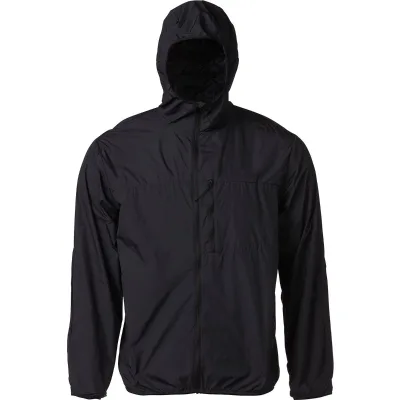
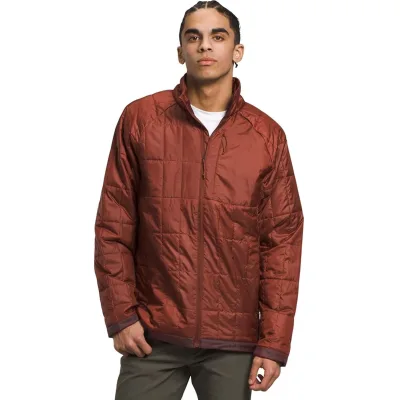
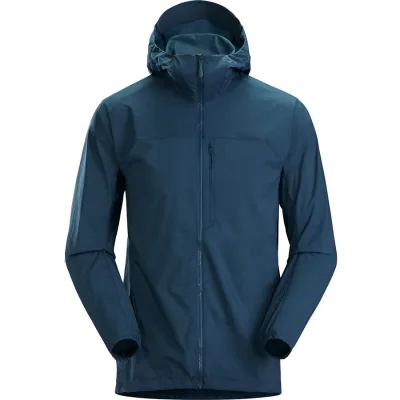

$19.00 - $19.90
Moq: 1000


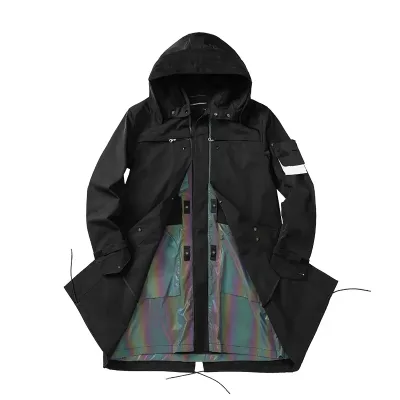


Comprehensive Sourcing Guide
Bespoke Men Smoking Jacket Sourcing Guide
Sourcing a bespoke men smoking jacket requires a nuanced understanding of the intersection between traditional tailoring aesthetics and modern manufacturing capabilities. These garments are distinct from standard blazers or suit jackets, often characterized by specific stylistic elements such as velvet lapels, silk linings, and a relaxed, comfortable fit intended for leisure wear rather than formal business settings. The term "bespoke" implies a high degree of customization, allowing buyers to select fabrics, colors, and structural details that align with their brand identity or target customer preferences. However, in the context of wholesale procurement, this customization often exists on a spectrum, ranging from minor alterations to fully custom pattern drafting, which significantly impacts lead times and unit costs.
Buyers must navigate a marketplace where terminology can be inconsistent. Listings may use keywords like "smoking blazer," "tuxedo jacket," or "casual blazer" interchangeably, yet the actual product specifications may vary widely in terms of construction, fabric weight, and intended use. The observed market data indicates a diverse range of products labeled under these terms, including items made from stretch denim, satin fabric, and other materials that deviate from the classic wool or velvet expectations associated with traditional smoking jackets. Therefore, the primary challenge for the procurement professional is to clearly define the product scope and verify that the supplier’s interpretation of "bespoke" aligns with the buyer’s quality and customization requirements.
Product Scope and Observed Listing Signals
The current market landscape for men’s smoking jackets and blazers reveals a broad spectrum of product attributes that buyers must carefully evaluate. Observed listings indicate that products are categorized under various names, including "Blazer Jacket," "Smoking Jacket," and "Men Jackets," suggesting that suppliers often bundle these items to capture different search intents. The target demographic is consistently identified as adult men, with seasonal applicability spanning spring, autumn, and summer. This seasonal flexibility suggests that the fabric weights and constructions vary significantly across the catalog, ranging from heavier, windproof materials suitable for cooler months to lighter, breathable options designed for warmer weather.
Key functional features observed in the market include windproof, waterproof, dust-proof, breathable, and anti-static properties. While these features are common in technical outerwear, their presence in smoking jackets or blazers indicates a shift toward hybrid garments that prioritize utility alongside style. Additionally, customization is widely available, allowing buyers to tailor specific aspects of the garment. However, the presence of "Free Size" options alongside standard sizing (S through XXXXL) highlights a disparity in fit precision. Buyers seeking true bespoke quality must distinguish between garments that offer limited customization on a standard base pattern and those that allow for complete structural modification, as the latter will require more rigorous specification management.
Technical Specifications to Verify
When evaluating technical specifications, buyers must scrutinize the material composition and construction methods to ensure they meet the desired quality standards. The market offers a variety of materials, including stretch denim, satin fabric, and yarn-dyed textiles, each offering different aesthetic and functional outcomes. For instance, satin fabric may provide the luxurious sheen associated with traditional smoking jackets, while stretch denim offers a more casual, durable alternative. Buyers should verify the fabric type, pattern type (such as solid colors), and decorative methods (like splicing) to ensure the final product matches the visual and tactile expectations of the end consumer.
Construction details are equally critical, particularly regarding size consistency and model variations. Observed data shows multiple model numbers, such as T95, T579, T59, TD-101, and others, indicating that suppliers may use different base patterns or production lines for similar-looking items. Buyers must confirm whether the "bespoke" aspect involves customizing these existing models or creating entirely new ones. Furthermore, the knitting method and weaving process should be verified, as these factors influence the garment’s drape, durability, and comfort. Ensuring that the supplier can consistently replicate the chosen fabric and construction across large order volumes is essential for maintaining brand integrity.
Compliance and Safety Documentation
Compliance and safety documentation are vital components of the sourcing process, particularly when dealing with international trade and consumer safety regulations. While specific certification requirements can vary by destination market, buyers should always request proof of compliance with relevant standards. In the observed data, CE marking is mentioned as a standard, which typically applies to products sold within the European Economic Area. However, buyers must verify whether this certification is applicable to textile garments or if it refers to other components of the product. It is crucial to clarify the scope of any claimed certifications to avoid misunderstandings during customs clearance or retail compliance checks.
Beyond formal certifications, buyers should inquire about the supplier’s adherence to general safety and quality standards for textiles. This includes verifying that the materials used are free from harmful substances and that the dyeing processes comply with environmental and health regulations. The observed dyed color options, such as white, require scrutiny to ensure that the bleaching and dyeing agents used do not pose risks to consumers. Additionally, buyers should confirm that the supplier maintains proper documentation for all materials and processes, which can be essential for audits and quality assurance purposes.
Cost Drivers and Commercial Terms
Understanding the cost drivers and commercial terms is essential for effective budgeting and negotiation. The observed price range for these products spans from $0.5 to $109, reflecting a wide disparity in quality, material cost, and level of customization. Lower-priced items may utilize simpler construction methods, standard fabrics, and limited customization options, while higher-priced items likely involve premium materials, intricate detailing, and more extensive bespoke services. Buyers must align their budget with their quality expectations and avoid assuming that all items labeled as "bespoke" offer the same level of craftsmanship.
Commercial terms also play a significant role in the total cost of ownership. The observed minimum order quantities (MOQ) range from 1 to 1000 pieces, offering flexibility for both small-scale testers and large-volume buyers. Sample times are typically 3-5 days, while order delivery times range from 20 to 25 days. These lead times must be factored into the supply chain planning to ensure timely inventory replenishment. Payment methods, such as Western Union and bank transfers, should be evaluated for security and convenience. Buyers should also consider the packaging specifications, such as PP bags, suit bags, or sacks, as these can impact shipping costs and product presentation.
Supplier Qualification and Quality Control
Supplier qualification is a critical step in mitigating risk and ensuring consistent product quality. Buyers should verify the supplier’s location, with Zhejiang, China (Mainland) being a common origin for these products. This region is known for its robust textile and garment manufacturing infrastructure, but buyers must still conduct due diligence to assess the supplier’s reliability, production capacity, and quality control processes. Requesting references, visiting the factory if possible, or engaging third-party inspection services can provide valuable insights into the supplier’s operational standards.
Quality control measures should be clearly defined and agreed upon before placing orders. This includes establishing clear acceptance criteria for materials, construction, and finishing. Buyers should specify the required packaging standards, such as the use of OPP bags or carton quantities, to ensure that products arrive in good condition. Additionally, implementing a pre-shipment inspection process can help identify and rectify any defects before the goods are dispatched. By maintaining open communication and setting clear expectations, buyers can foster a productive relationship with their suppliers and minimize the risk of quality issues.
Long-Term Procurement Checks
Long-term procurement success depends on continuous monitoring and evaluation of supplier performance. Buyers should establish key performance indicators (KPIs) to track metrics such as on-time delivery, product quality, and responsiveness to issues. Regular reviews of these metrics can help identify trends and areas for improvement, allowing buyers to address potential problems proactively. Additionally, maintaining a diverse supplier base can reduce dependency on a single source and provide greater flexibility in managing supply chain disruptions.
As market trends and consumer preferences evolve, buyers must remain agile and adaptable. This may involve exploring new materials, styles, or customization options to stay competitive. Regularly updating product specifications and communicating changes to suppliers is essential to ensure that the final products meet current market demands. By fostering a collaborative relationship with suppliers and staying informed about industry developments, buyers can build a resilient and efficient sourcing strategy that supports long-term business growth.
FAQs
Can I customize a bespoke men smoking jacket with specific features?
Yes, customization is available for these jackets. Buyers can request specific styles such as smoking jackets or blazers. The product supports various features including windproof, waterproof, and breathable properties. This allows for tailored solutions that meet individual preferences and functional requirements for adult male users.
What materials are used for these men's jackets?
The jackets are constructed using stretch denim and satin fabric. The denim variant utilizes a yarn-dyed weaving process and features a solid pattern with a loose style. These material choices ensure comfort and durability. The satin option provides a different texture suitable for formal or semi-formal smoking jacket aesthetics.
What are the packaging and shipping standards for orders?
Orders are packed in PP bags and suit bags for individual protection. Bulk packaging typically consists of 500 pieces per carton. The standard carton dimensions are 20 by 20 by 30 centimeters. This ensures safe transit and efficient storage. The brand Honest follows these packing protocols to maintain product integrity during delivery.
How long does it take to produce and deliver an order?
Sample production requires three to five days. Bulk order delivery time is approximately 20 to 25 days. These timelines apply to standard production runs. Buyers should account for these durations when planning inventory. Payment methods such as Western Union or bank transfers are accepted to initiate the process.
What sizes are available for these men's smoking jackets?
Sizes range from Small to XXXXL, including a free size option. This wide range accommodates various body types for adult men. The jackets are designed for spring, autumn, and summer seasons. Buyers can select the appropriate size based on fit preferences, ensuring comfort and proper styling for the intended use.
Where are these bespoke smoking jackets manufactured?
These jackets originate from Zhejiang, China. The manufacturing location ensures access to established textile and garment production resources. The brand Honest operates within this region. Buyers sourcing from this origin benefit from established supply chains and production capabilities specific to this geographic area.